

At AI Marketing Team, we know that most medical practices lose up to 70% of potential reviews simply because they do not ask at the right moment. An automated patient review system for clinics gives you a consistent way to collect feedback without adding to your staff’s workload.
You are likely leaving significant revenue on the table; studies show each star increase can enhance practice revenue by 5-9%. The challenge is that you are running a busy clinic, not a marketing agency. The good news is that a systematic approach can generate consistent reviews while keeping your workflow simple and efficient.
Key Takeaways
- Automate follow-up requests within 24-48 hours post-visit to achieve 40% higher response rates without adding staff workload.
- Display QR codes in waiting areas linking to review platforms for immediate, effortless patient engagement.
- Use generic messaging templates that exclude treatment details to maintain HIPAA compliance while requesting feedback.
- Integrate review requests into existing patient portals and touchpoints for a seamless, non-disruptive workflow.
- Track monthly review volume growth of 15-25% to measure system effectiveness and stay competitive locally.
Why Online Reviews Matter for Medical Practices
Your online reputation directly impacts your bottom line. With 83.23% of patients requiring a minimum 4-star rating before they’ll even consider your practice, every review counts. You’ll also find that clinics with five or more reviews earn patient trust from 80% of potential patients.
Beyond credibility, positive reviews enhance your local SEO performance, making your practice more visible to prospective patients actively searching for care in your community.
Building an Effective Review Generation Workflow
Understanding why reviews matter is only half the equation; you’ll need a systematic approach to actually generate them. Successful review management starts with integrating feedback requests into your existing patient touchpoints. When you automate follow-ups within 24-48 hours post-visit, you’re capturing patient feedback while experiences remain fresh.
| Workflow Stage | Action | Expected Impact |
|---|---|---|
| Post‑Visit | Send an automated email/text request | 40% higher response rate |
| In‑Office | Display QR codes in waiting areas | Immediate engagement |
| Patient Portal | Embed review links | Seamless user experience |
Train your team to identify positive interaction moments for review requests. Provide patients with direct platform links and clear instructions; removing friction increases completion rates. You’re not just collecting feedback; you’re building community trust through transparent patient feedback systems.
Automating Your Review Requests While Staying HIPAA-Compliant
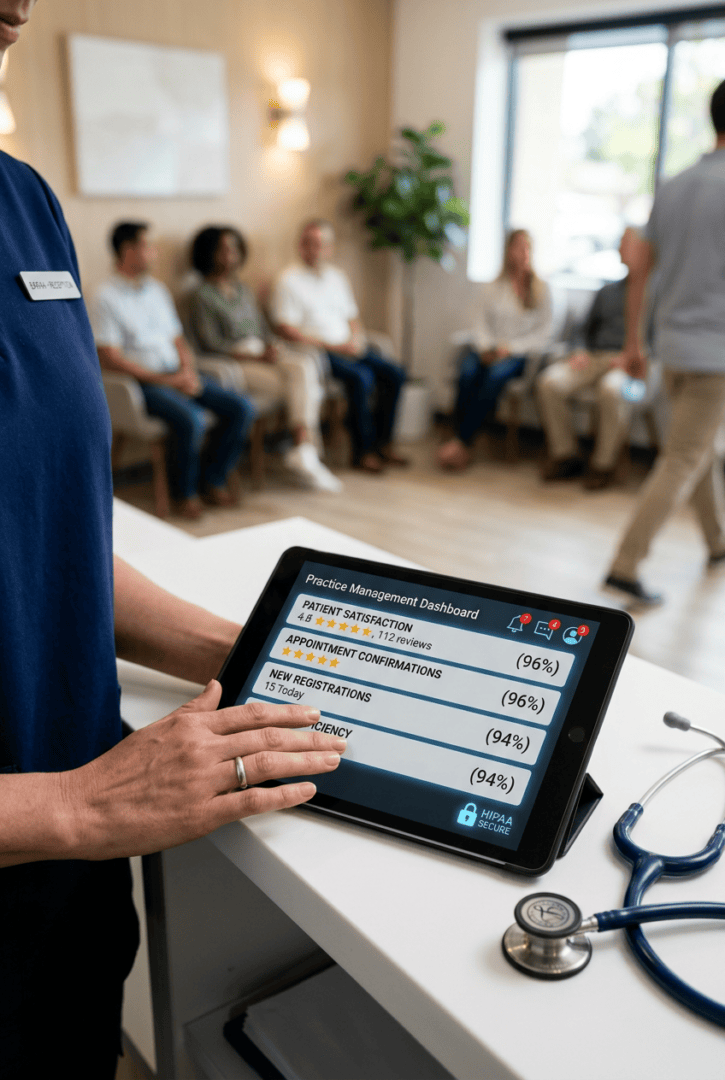
Because manual review solicitation drains staff time and produces inconsistent results, automation becomes your most cost-effective path to scalable reputation growth. You’ll want to implement automated review requests that trigger 24-48 hours post-visit, capturing patient sentiment when it’s freshest. Tools like SalesCloser.ai streamline this process while maintaining strict HIPAA compliance by excluding protected health information from all communications.
Your automated system should include:
- Generic messaging templates that never reference specific treatments, diagnoses, or appointment details
- QR codes in waiting areas linking directly to your preferred review platforms
- Patient portal integration that embeds feedback requests within existing workflows
Managing and Responding to Patient Feedback
While automating review collection drives volume, your response strategy determines whether that feedback actually converts prospective patients.
Here’s what the data reveals: 88% of consumers prefer practices that actively engage with reviews. Your responses signal that you’re listening, and that matters to people seeking healthcare they can trust.
Respond within 24 to 48 hours to demonstrate you value patient feedback. When managing negative reviews, remember that constructive acknowledgment converts 64% of dissatisfied patients into returning clients. That’s revenue recovery built into your reputation management.
Maintain HIPAA compliance by avoiding personal acknowledgment of reviewers. Instead, focus responses on your practice standards and systemic improvements.
Thoughtful engagement pays off: consistent, professional replies convince up to 40% of viewers to overlook negative feedback entirely.
Measuring Success and Optimizing Your Review Strategy

To maximize your review strategy’s ROI, you’ll need concrete metrics that tie directly to practice growth. Track your review volume monthly, aiming for 15-25% growth to stay competitive in your market. When you monitor patient feedback trends, you’re not just counting stars; you’re identifying opportunities to strengthen your practice’s reputation.
Key metrics to track consistently:
- Total review count and velocity compared to local competitors
- Average star rating across all platforms
- New patient inquiry rates correlated with review improvements
Practices like yours have seen revenue increases up to $340,000 annually by optimizing their review strategy. Analyze feedback patterns quarterly to inform staff training and enhance patient experiences. Your data tells the story; use it to build the trusted practice your community deserves. An automated patient review system for clinics should be reviewed regularly to identify what is working, where patients are responding, and how your reputation is trending over time.